Timing matters more than technique when it comes to pruning. Get the timing wrong and even a clean, well-placed cut can stress a plant, wipe out a season of flowers, or leave fresh wounds exposed to winter damage. Get it right, and you’ll be amazed at the difference in how your garden performs.
This pruning calendar breaks down the best months for pruning common garden plants, with growth patterns, dormancy periods, and seasonal vulnerabilities all factored in. Whether you’re managing fruit trees, ornamental shrubs, or perennial flowers, you’ll know exactly when to reach for those pruning shears.

Understanding Plant Growth Cycles and Pruning Timing
Before diving into monthly schedules, you need to understand why timing matters. Plants follow predictable growth cycles that determine their response to pruning:
Dormant season pruning (late winter to early spring) works best for most deciduous trees and shrubs. During dormancy, plants aren’t actively growing, so pruning wounds heal quickly once spring growth begins. This timing also lets you see the plant’s structure clearly without leaves obscuring branches.
Post-bloom pruning is the right move for spring-flowering plants that bloom on old wood. Since these plants set next year’s flower buds shortly after blooming, cutting them back right after flowering is the best way to protect next year’s display. Wait too long and you’ve already lost it.
Summer pruning helps rein in vigorous growth and can improve fruit quality in fruit trees. Light maintenance cuts during the growing season work well for plants that need minor shape adjustments without major structural changes.
In cold climates, avoid fall pruning entirely. Fresh cuts won’t heal properly before winter arrives, creating entry points for disease and frost damage that can seriously harm your plants.
January: Late Winter Preparation
For most temperate regions, January sits right in the middle of dormant season — which makes it one of the best times to tackle major pruning on deciduous trees and shrubs.
Best plants to prune in January:
- Fruit trees (apples, pears, stone fruits except cherries)
- Shade trees (maples, oaks, elms)
- Summer-flowering shrubs (butterfly bush, hydrangea paniculata)
- Roses (in mild winter areas)
- Dormant perennials and ornamental grasses
Focus on removing dead, diseased, or crossing branches. This is also the perfect time for structural pruning on young trees, establishing strong scaffold branches that will support future growth.
Skip these plants: Spring-flowering shrubs like lilacs, forsythia, and azaleas. Cut them now and you’ll sacrifice this year’s blooms — their flower buds developed last summer, and winter pruning removes them completely.
February: Peak Dormant Season Pruning
February often delivers the ideal conditions for major pruning work. Plants remain fully dormant, sap flow stays minimal, and you have several weeks before spring growth kicks in.
Priority plants for February:
- Grape vines (critical timing before sap flow begins)
- Berry bushes (blueberries, blackberries, raspberries)
- Roses (in moderate climates)
- Fruit trees (complete any remaining winter pruning)
- Deciduous ornamental trees
This month offers your last chance for heavy structural pruning before spring growth begins. Remove water sprouts, suckers, and any branches damaged by winter weather.
Regional considerations: In warmer zones (9-11), some plants may already be showing signs of breaking dormancy. Your plants will tell you more than any calendar — swelling buds mean the dormant window is closing.
March: Transition Month Strategy
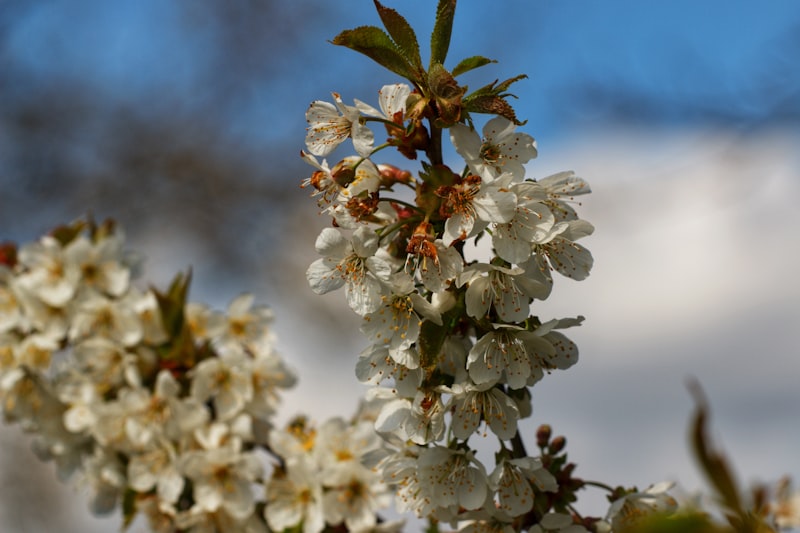
March presents challenges. Early March usually keeps you in the dormant window, but late March often brings the first signs of spring growth — timing that varies dramatically by location.
Early March pruning:
- Complete any remaining dormant season work
- Prune summer-flowering clematis varieties
- Shape evergreen shrubs before spring growth
- Remove winter damage from all plants
Late March considerations:
- Begin monitoring for bud break
- Prepare for spring-flowering shrub maintenance
- Plan post-bloom pruning schedules
Watch your buds closely — once they start swelling, dormant season is ending. Switch to lighter maintenance pruning instead of major structural work.
April: Spring Awakening Adjustments
April brings active growth in most regions, shifting pruning strategies toward maintenance and damage control.
April pruning focus:
- Light shaping of evergreen shrubs
- Deadheading early spring bulbs
- Removing winter-damaged growth
- Pruning spring-flowering shrubs immediately after blooming
Post-bloom pruning begins: As forsythia, lilac, and early azaleas finish flowering, prune them immediately to preserve next year’s blooms. These plants set flower buds for next year within 4-6 weeks of blooming.
Avoid: Heavy pruning of most deciduous plants while they’re actively pushing new growth. That flush of new growth is when plants are most vulnerable — cuts made now invite stress and disease at the worst possible moment.
May: Post-Bloom Pruning Season
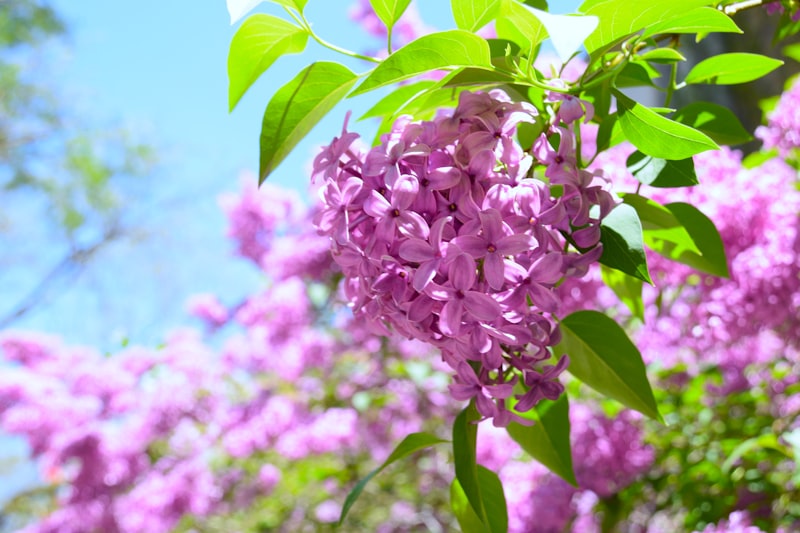
May is prime time for spring-flowering shrubs and trees that bloom on old wood. This window doesn’t stay open long — miss it and you’re already compromising next year’s display.
Priority plants for May:
- Lilacs (prune immediately after flowering)
- Azaleas and rhododendrons
- Flowering quince
- Spirea (early-blooming varieties)
- Weigela
- Mock orange
Technique focus: Remove spent flowers and up to one-third of the oldest canes to encourage new growth. This rejuvenation pruning maintains plant vigor while preserving flowering potential.
Emerging growth management: Pinch soft new growth on chrysanthemums and other fall-blooming perennials to encourage bushier growth and more flowers.
June: Early Summer Maintenance
June shifts focus to growth control and summer maintenance pruning.
June pruning activities:
- Pinch growing tips on annuals for bushier growth
- Remove suckers from fruit trees and roses
- Deadhead spent flowers on repeat-blooming plants
- Light pruning of fast-growing hedges
Fruit tree summer pruning: Begin light summer pruning of apple and pear trees to control vigor and improve light penetration. Remove water sprouts and thin overcrowded areas.
When catmint and salvia finish blooming, don’t hesitate to cut them back severely. The dramatic haircut might look harsh, but it’s the secret to getting another spectacular flush of flowers in late summer.
July: Heat Stress Considerations
July calls for restraint with the pruning shears. Plants already struggling with heat and drought can’t handle the additional stress of heavy pruning — recovery becomes sluggish and damage often lingers.
Keep pruning minimal:
- Deadheading and light maintenance only
- Remove spent flowers to encourage continued blooming
- Prune water sprouts and suckers
- Shape fast-growing hedges if necessary
Protect stressed plants: Skip anything major during peak summer heat. Plants fighting high temperatures and dry conditions lack the energy reserves for quick recovery from significant cuts.
Exception plants: Some heat-tolerant plants like butterfly bush can handle light pruning to encourage fall blooming.

August: Late Summer Preparation
By August, the season is starting to shift — you’re not in fall yet, but the garden is beginning to wind down from its summer peak. It’s a good month for targeted cleanup work and getting a head start on what’s coming.
August pruning focus:
- Deadhead summer annuals for continued blooming
- Prune rambling roses after flowering
- Remove spent flower stalks from daylilies
- Begin fall preparation pruning for some perennials
Planning ahead: Use August to assess which plants will need fall or winter pruning, and begin planning major pruning projects for the dormant season.
September: Fall Transition Management
September marks the beginning of fall preparation, though major pruning should still be avoided in most regions.
September activities:
- Continue deadheading annuals and perennials
- Remove diseased or damaged growth
- Begin cutting back some perennials that have finished blooming
- Plan dormant season pruning projects
Avoid: Pruning that stimulates new growth, as tender new shoots won’t have time to harden off before winter in cold climates.
October: Selective Fall Pruning
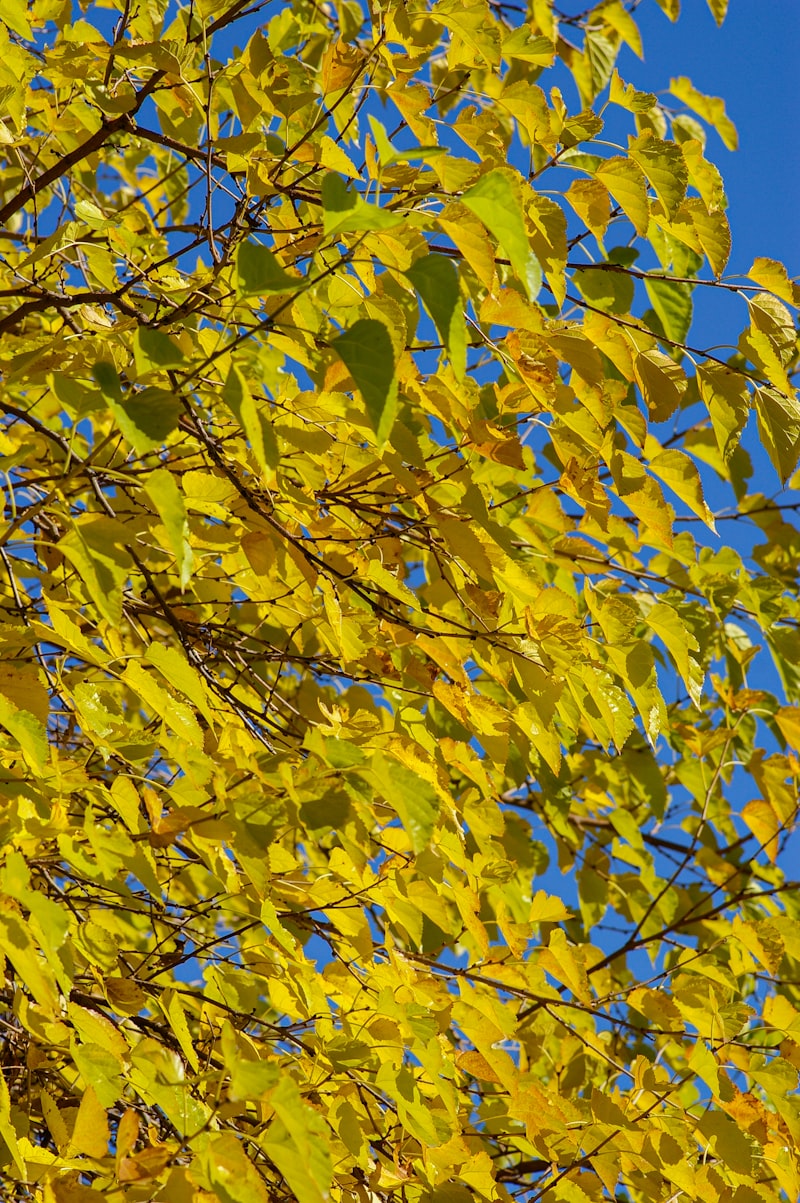
October allows for limited pruning activities, primarily focused on cleanup and disease prevention.
Appropriate October pruning:
- Remove diseased branches to prevent overwintering pathogens
- Cut back perennials that have gone dormant
- Remove dead or broken branches for safety
- Clean up fallen leaves and debris
Disease prevention: Focus on sanitation rather than growth stimulation. Remove any branches showing signs of disease and dispose of them properly.
November: Winter Preparation
November is less about pruning and more about getting ready for what comes next.
November tasks:
- Final cleanup of diseased material
- Remove any broken or hazardous branches
- Protect tender plants rather than pruning them
- Plan winter pruning projects
Tool maintenance: November is also a great time to clean and sharpen your pruning tools so they’re ready to go when the dormant season window opens up again.
December: Planning and Minimal Intervention
In most climates, December is a month for stepping back, assessing, and planning rather than cutting.
December activities:
- Remove storm-damaged branches promptly
- Plan major pruning projects for late winter
- Study plant structure while leaves are down
- Avoid pruning unless absolutely necessary
Mild climate exception: In zones 9-11, some dormant season pruning may begin in late December, though January-February remains optimal.
Climate Zone Considerations
Pruning timing varies significantly based on your specific climate zone and local conditions. These general guidelines work for USDA zones 5-8, but require adjustment for extreme climates:
Cold climates (zones 3-4): Extend dormant season pruning later into spring, as plants remain dormant longer. Avoid fall pruning entirely.
Warm climates (zones 9-11): Begin dormant season pruning earlier (December-January) and extend growing season maintenance longer into fall.
Local factors matter: Urban heat islands, elevation changes, and proximity to large water bodies create unique growing conditions. Regional advice provides a starting point, but your specific garden’s behavior matters more. Pay attention to what your plants are actually doing and adjust accordingly.
Technology-Assisted Pruning Schedules
Calendar-based advice works to a point, but every garden has its quirks. Modern tools that consider your exact location and plant collection can save years of trial-and-error learning.
Apps like Cresco Pruning use AI to identify your plants and generate customized pruning schedules that adapt to your local climate conditions. Rather than following generic monthly guidelines that might not fit your situation, you get timing recommendations tailored to your specific garden’s needs.
Common Pruning Timing Mistakes
Even experienced gardeners make timing errors that can damage plants or reduce flowering:
Pruning spring bloomers in fall or winter removes next year’s flower buds, resulting in poor spring displays.
Late fall pruning in cold climates stimulates tender growth that winter-kills, potentially damaging or killing plants.
Cutting during heavy sap flow (early spring for maples, birches) creates messy bleeding, though it rarely harms the plant.
Summer pruning of spring bloomers destroys flower buds already forming for next year — the damage happens the moment you make the cut, even though you won’t see the consequences until the following spring.
Defaulting to generic timing advice without accounting for your region’s actual climate patterns and the specific conditions in your garden is one of the most common ways well-intentioned pruning goes wrong.
Conclusion
Timing is everything in pruning. A solid understanding of how your plants grow — and when they’re most resilient — makes the difference between a garden that struggles and one that genuinely thrives. This monthly framework gives you a strong foundation, but your local conditions, plant varieties, and the health of individual plants all play a role in dialing in the right timing for your specific garden.
The key is observation combined with knowledge. Watch your plants throughout the year, note their growth patterns and blooming times, and adjust your pruning schedule accordingly. When in doubt, err on the side of caution and prune during the dormant season for most plants.
For personalized pruning schedules that account for your specific plants and local climate conditions, learn more at cresco-pruning.com.