The hard part of pruning isn’t the cut — it’s the calendar
If you’ve read a few posts on this blog, you’ll have noticed a pattern. Lilac has a two-week window after flowering before it sets next year’s buds. Wisteria wants bending in May and cutting in August. Plums and cherries must not be touched in winter. A honeysuckle gets cut now; a late-flowering one gets cut in March. Every plant has its own narrow window, and getting the cut right matters far less than getting the week right.
That’s the real problem with pruning. The technique for most plants takes thirty seconds to learn. The hard part is holding forty different plant-specific windows in your head, remembering which of your shrubs is which, and noticing the window has opened before it quietly closes again. Nobody does that reliably from memory — which is exactly why Cresco exists.
Cresco is a plant-care app built around one idea: timing is everything, so the app should track the timing for you. Here’s what that actually looks like.
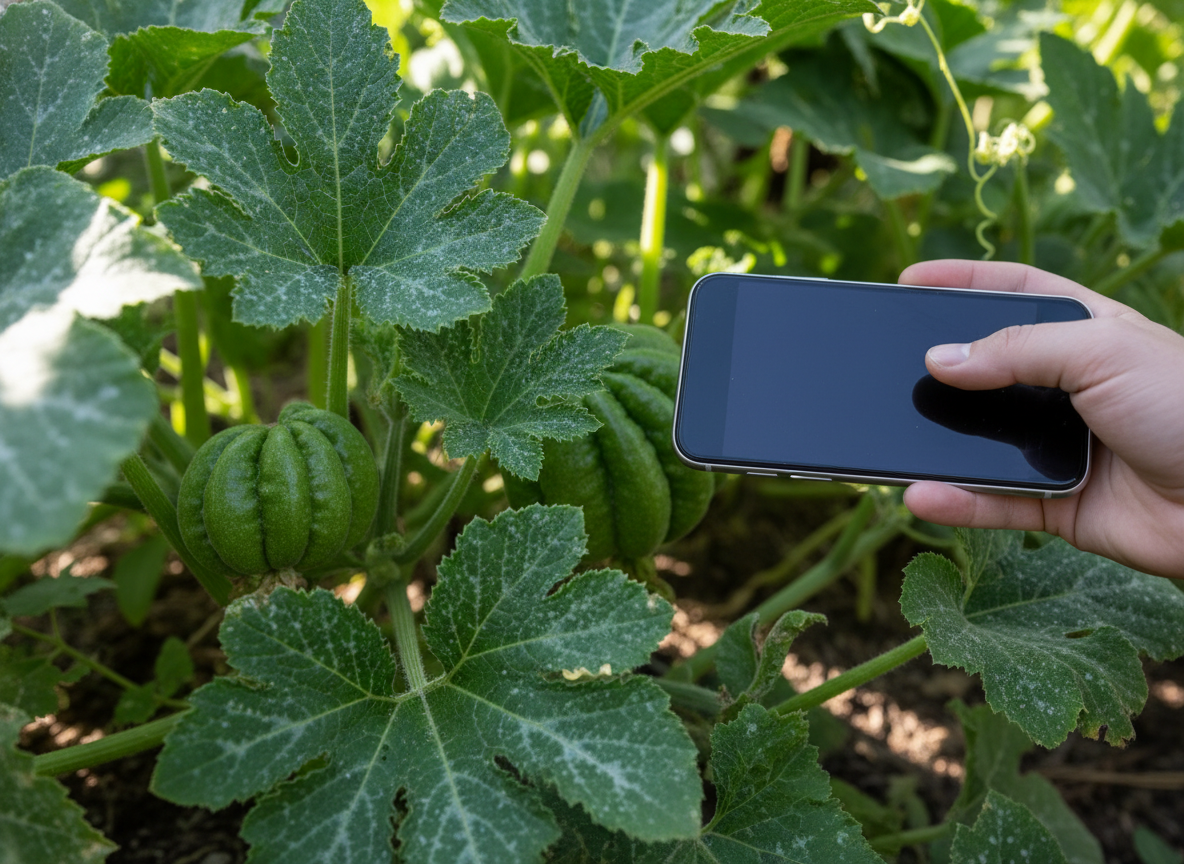 The hand of a person holds a smartphone and photographs a plant — AI-generated illustration
Snap a photo, and it knows what you’re dealing with
You can’t schedule a plant you can’t name. So Cresco starts where most plant apps start — point your phone at a plant and it identifies it from the photo. A struggling rose, a shrub the previous owner left behind, a seedling you’ve lost the label for: Cresco tells you the species, and often the likely variety.
But identification is where most apps stop. For Cresco it’s just step one — the point isn’t to win a guessing game, it’s to know enough about the plant to build it a care schedule.
A schedule built for the plant and your patch
Once Cresco knows what you’ve got, it builds a pruning and care plan for that specific plant. Not a generic “prune in late winter” line copied from a reference book, but advice tuned to the species and to where you garden.
Location matters more than people expect. The same hydrangea is pruned weeks apart in a mild coastal town and a frost-pocket inland valley. A “prune after flowering” instruction is useless on its own — after flowering lands on different dates depending on your climate. Cresco takes the plant, your location, and the season, and turns vague advice into an actual date range you can act on.
Add every plant in your garden and you stop having forty separate windows to remember. You have one list, sorted by what needs doing next.
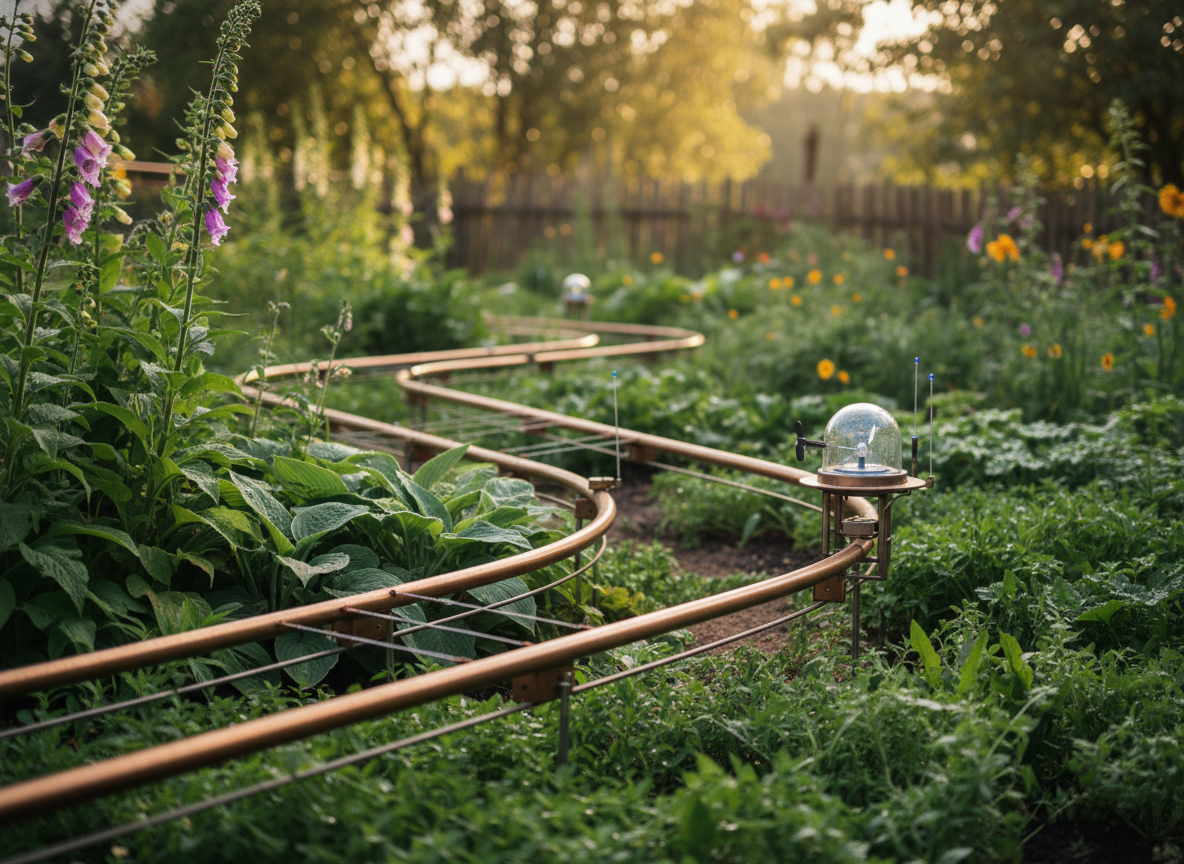 A garden scene with curved tracks and a small weather station — AI-generated illustration
It checks the weather before it tells you to cut
This is the part that surprised even me when we built it, and it’s the feature I’d point to if you asked what makes Cresco different.
Knowing this is the week to prune your plums is not the same as knowing today is a good day to do it. Plenty of the posts on this blog come with a weather caveat: don’t trim box in scorching sun or the cut foliage scorches; don’t prune into a wet spell that invites disease; don’t cut soft new growth the day before a late frost. The right week can still contain three wrong days.
So before Cresco tells you to get the secateurs out, it looks at your local forecast. If a frost is coming, a heatwave is forecast, or it’s about to turn wet, it holds the task back or flags a warning — and it can point you at the next genuinely good day in the outlook instead. You’re not just pruning in the right month; you’re pruning on the right morning.
One shared garden for the whole household
A garden is rarely a one-person project. In Cresco a garden is a shared space: create one, invite your partner, your housemate, or whoever else actually does the watering, and everyone sees the same plants and the same task list. One person identifies the new shrub, another gets the reminder to prune it. Nothing falls through the cracks because it lived in one person’s head.
 A garden path leads to an open arched window with various plants on either side — AI-generated illustration
Reminders, so the window doesn’t pass
The whole point of tracking windows is wasted if you still miss them. Cresco sends reminders when a plant’s window opens, so the lilac fortnight or the camellia cutoff actually reaches you instead of passing while you were busy. You set how much you want to hear from it; the app handles the timing.
And when you just have a question
Sometimes you don’t need a schedule, you need an answer: why are the leaves curling, is this the right cut, what’s eating my lily? Cresco lets you ask about any plant in your garden and get a straight answer in plain language, with the context of what that plant is and where it’s growing already filled in.
Why we built it this way
I started Cresco because I kept killing plants slowly — not with bad cuts, but with well-meaning cuts at the wrong time. A hydrangea pruned in spring that never flowered. A lavender cut too hard, too late, that went woody and bare. None of that is a knowledge problem you can fix by reading harder. It’s a timing problem, and timing is exactly the kind of thing software is good at and human memory is bad at.
This blog is the knowledge half — the month-by-month guide and the deep dives on individual plants. Cresco is the other half: it takes all of that, narrows it to your plants in your garden under this week’s weather, and tells you what to do next.
If you’ve ever stood in front of a shrub wondering whether it’s the right week to cut it, that’s the question Cresco was built to answer. Try it with one plant — the one you’re least sure about — and let it tell you when.