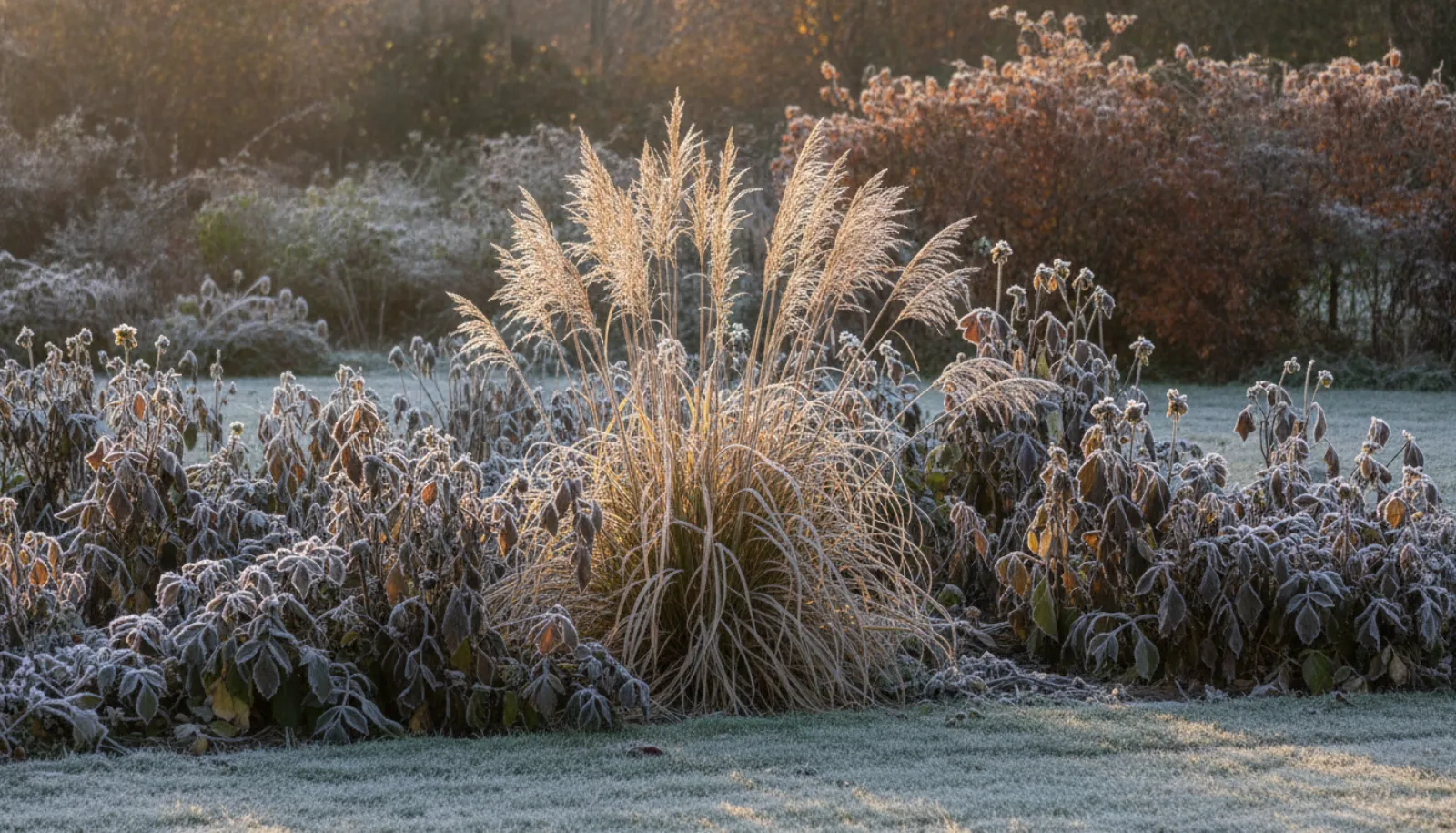
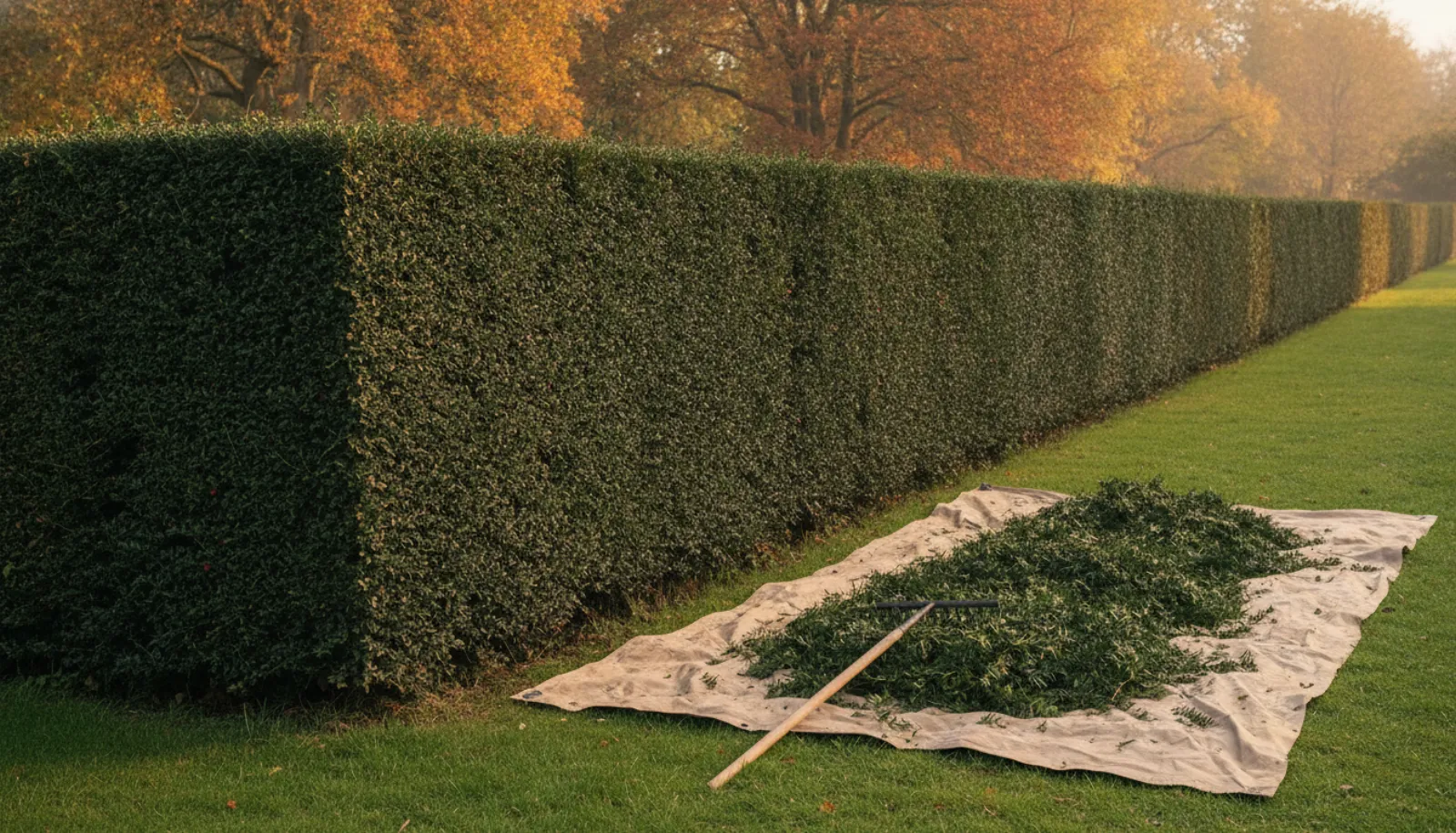
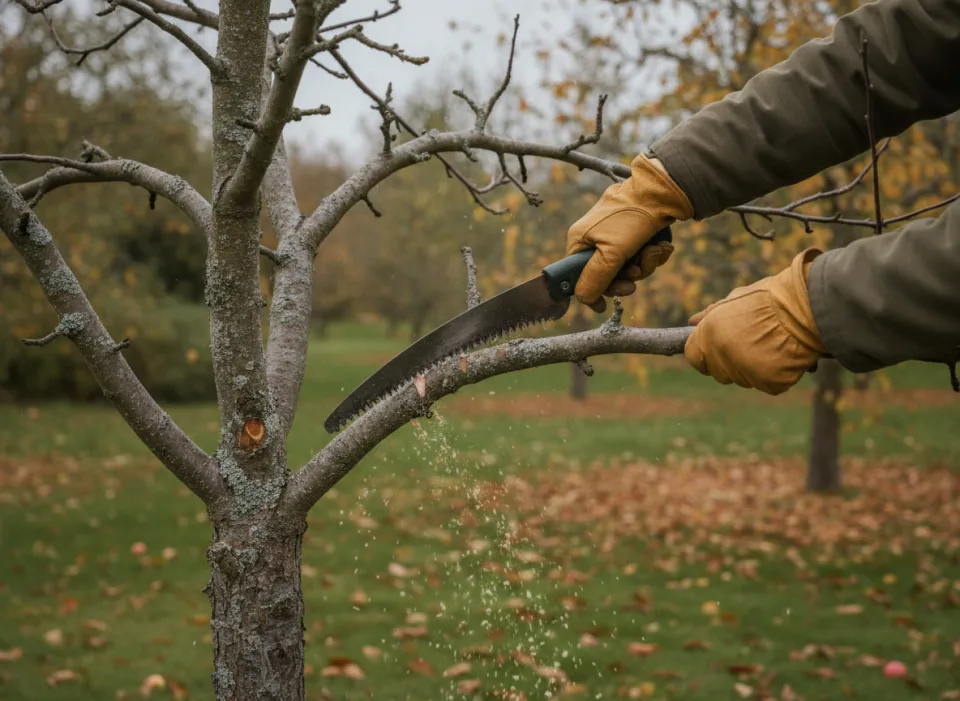
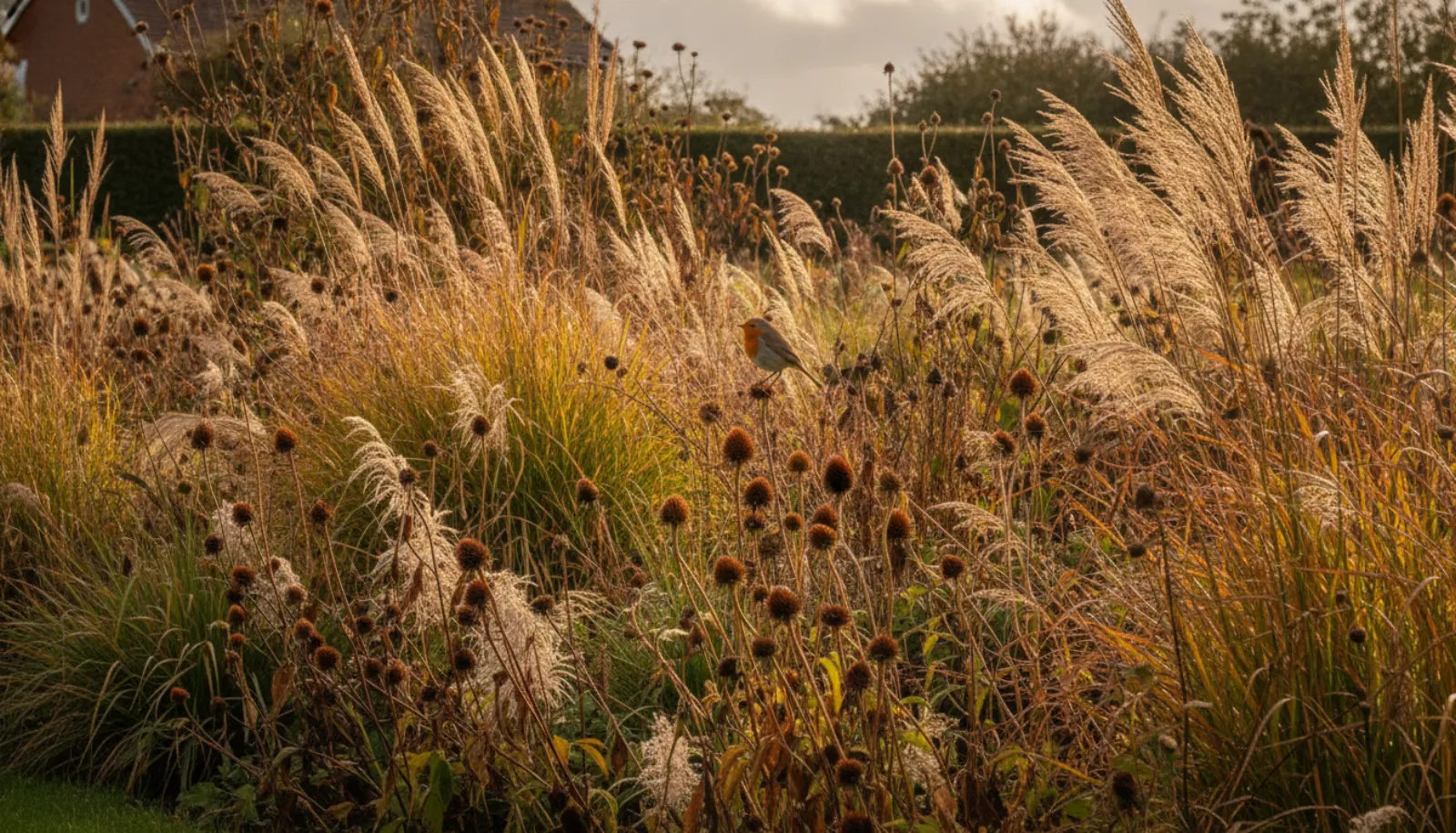
Pruning shrubs in fall comes down to one question: old wood or new wood. Anything that flowers before midsummer, such as lilac, forsythia, philadelphus, weigela, mophead hydrangea or spring clematis, is carrying next year's buds on this year's stems right now, so every cut is a flower removed. Anything that flowers on growth it has not made yet loses nothing by waiting, which is why buddleja, panicle hydrangeas and late clematis read as leave rather than cut here. The only real autumn work in this group is wind: shorten what a gale can lever, then stop and put the secateurs away.
Roses, bush & climbing
Rosa
Light tidy onlyLight tidy onlyLight tidy onlyLeave until springLight tidy onlyLight tidy onlyLight tidy onlyLight tidy only late Oct – early Dec · Northwest Europe late Sep – early Nov · Central Europe early Oct – early Nov · the Nordics late winter, Feb – Mar · the Mediterranean early Oct – early Nov · the US North early Oct – late Nov · the Mid-Atlantic early Nov – late Dec · the US South early Nov – late Dec · the West Coast
A tall rose is a lever: autumn gales rock it and open a water-filled funnel around the roots. Take a third off the height to stop the swaying. The real, shaping prune waits for late winter.
A tall rose is a lever: autumn gales rock it and open a water-filled funnel around the roots. Take a third off the height to stop the swaying. The real, shaping prune waits for late winter.
Cutting before the bush has shut down leaves soft regrowth that November kills. Wait for the hard frosts, take down only the whippiest canes, then cover the crown.
Roses here barely stop growing, so an autumn cut just pushes soft shoots. Leave the height, stop deadheading so hips form, and prune properly in January or February.
Winter arrives before the gales matter here. Wait for several hard freezes to strip the leaves, cut over-long canes to about 60 cm, then mound the crown. Hardy shrub roses need nothing.
A tall rose is a lever: autumn gales rock it and open a water-filled funnel around the roots. Take a third off the height to stop the swaying. The real, shaping prune waits for late winter.
A tall rose is a lever: autumn gales rock it and open a water-filled funnel around the roots. Take a third off the height to stop the swaying. The real, shaping prune waits for late winter.
Two climates in one region. Pacific Northwest: bring tall hybrid teas down to waist height in November against wind load. Coastal California: skip the autumn cut and prune from late December into January.
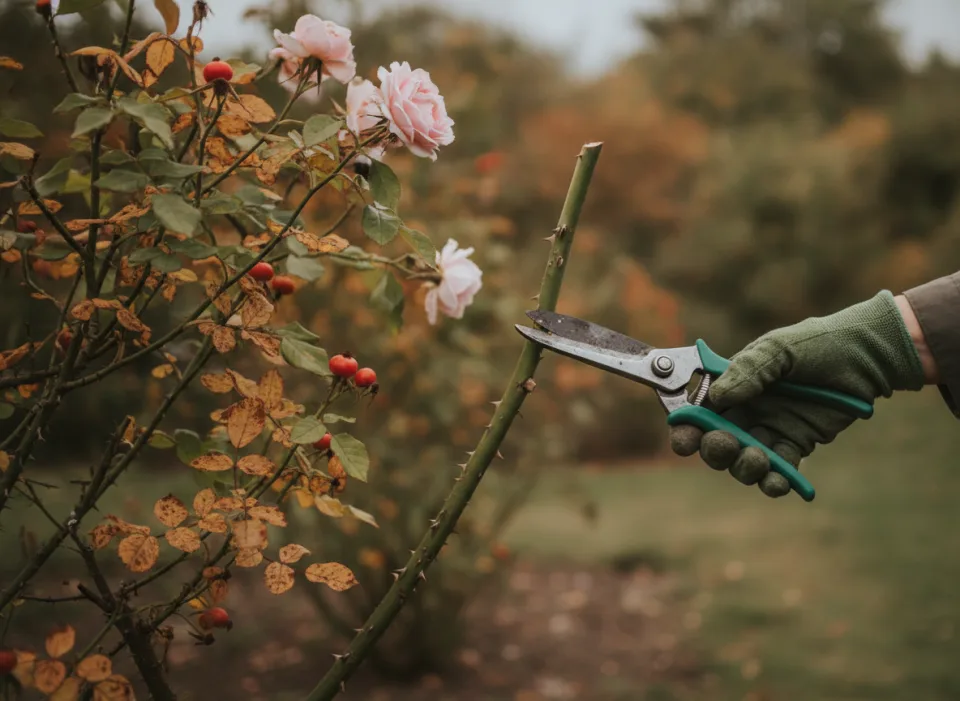
Ask whether you should prune roses in autumn and you get two answers, because there are two jobs. The shaping prune — old wood out, framework down to a few strong buds — belongs to late winter: February or March in most of Europe, January along the Californian coast. What you do now is blunter. Cut back tall roses before winter by about a third, so the first gales cannot use a waist-high bush as a lever and work its shallow roots loose. The signal is not a date. It is flowering finishing, the leaves turning, and the forecast naming its first storm, which is why gardeners prune roses in the fall at very different moments, from mid-October in Minnesota and the Nordics to December on the Gulf Coast. In cold zones, wait until several hard freezes have shut the plant down, shorten the over-long canes to roughly 60 cm, then mound the crown. In Mediterranean gardens, skip it entirely: stop deadheading, let the hips form, and prune in January.
How to do it
- Reduce the tallest stems by a third, up to a half on very leggy bushes.
- Tread the soil firm around the crown if the base has already started to rock.
- Rake up and bin fallen leaves; black spot overwinters on them, not the soil.
- Tie climbers and ramblers in firmly instead; never reduce them for wind-rock.
The mistake that costs a season: Doing your hard spring prune now wakes soft shoots that the first frost blackens, and leaves open wounds through the wettest, most canker-prone months.
More on this plant →

Hydrangea, mophead & lacecap
Hydrangea macrophylla, H. serrata
Leave until springLeave until springLeave until springLight tidy onlyLeave until springLeave until springLeave until springLight tidy only late winter, Feb – Mar · Northwest Europe late winter, Feb – Mar · Central Europe late winter, Feb – Mar · the Nordics early Oct – early Dec · the Mediterranean late winter, Feb – Mar · the US North late winter, Feb – Mar · the Mid-Atlantic late winter, Feb – Mar · the US South early Oct – late Nov · the West Coast
Next June's flowers are already formed, sitting just under this year's faded heads. Those dried heads are also the buds' frost cover. An autumn cut costs you flowers twice over: the bud and its shelter.
Next June's flowers are already formed, sitting just under this year's faded heads. Those dried heads are also the buds' frost cover. An autumn cut costs you flowers twice over: the bud and its shelter.
Here the plant sits at or past its cold limit and the top growth is often winter-killed anyway. The autumn job is protection, not pruning: mulch the crown deeply once the leaves are down, leave every stem, and cut back to live buds when growth starts.
Frost is late and light here, so a spent head can come off from October if the shrub looks a mess. Snip the head only, just above the top fat pair of buds, and stop before December. The stems and next June's flowers stay.
Bigleaf hydrangea is marginal in zones 4–5 and rarely worth trying in zone 3, so the autumn task is a mesh cage packed with dry leaves, not a cut. Take the winter-killed stems out in May, once new growth shows which wood is alive.
Next June's flowers are already formed, sitting just under this year's faded heads. Those dried heads are also the buds' frost cover. An autumn cut costs you flowers twice over: the bud and its shelter.
Winters are mild, but an Arctic outbreak still bites exposed buds and every bloom for June is already set. If the shrub has outgrown its spot, that cut belonged to the fortnight after flowering, by 1 August at the latest.
Mild, wet winters rarely kill macrophylla buds here, so an autumn deadhead is low risk rather than free. Take the faded head only, just above the first fat pair of buds, and finish before the first frosts of December.
If you plan to prune hydrangea in autumn, this is the one shrub where the honest answer is: don't. Mopheads and lacecaps set next summer's flower buds in August, in the top few centimetres of stem, directly under the head that is browning now. Cut back hydrangeas before winter and you remove those buds along with the dried flower head that shields them through five or six months of frost, wet and wind. So leave the plant standing, scruffy heads and all. Unusually, first frost and leaf drop are not your cue here. The cue is spring bud break, which can come in March in a mild coastal garden and not until May where winters are long, so your region, not the calendar, sets the week. Gardeners who search for how to prune hydrangeas in fall almost always want a smaller shrub; that cut belongs in the fortnight after flowering, by 1 August at the latest. At bud break, take each old head down to the first strong pair of fat buds, and cut out one or two of the oldest stems at the base.
How to do it
- Leave every faded head on the plant, however brown and battered it looks.
- Remove a stem only if it snaps dry and hollow; keep anything with live buds.
- In cold gardens, mound leaves over the crown or cage the plant with leaf-filled mesh.
- At bud break, cut each old head to the first strong pair of fat buds.
The mistake that costs a season: The autumn tidy-up — brown heads sheared off, stems shortened by a third — deletes next June's flowers and leaves a hollow, pith-filled stem open to the first hard frost, so the die-back runs further down than you cut.
More on this plant →
Hydrangea paniculata & 'Annabelle'
H. paniculata, H. arborescens
Leave until spring late winter, Feb – Mar · Northwest Europe late winter, Feb – Mar · Central Europe late winter, Feb – Mar · the Nordics late winter, Feb – Mar · the Mediterranean late winter, Feb – Mar · the US North late winter, Feb – Mar · the Mid-Atlantic late winter, Feb – Mar · the US South late winter, Feb – Mar · the West Coast
They flower on wood they grow next spring, so an autumn cut gains nothing. It only opens the framework to winter dieback and throws away the dried heads that carry the border through to March.
They flower on wood they grow next spring, so an autumn cut gains nothing. It only opens the framework to winter dieback and throws away the dried heads that carry the border through to March.
Winter bites hardest here, and an open cut going into it dies back down into the crown. Leave every stem standing until the buds swell in April.
Frost is no threat, but the shrub is still in leaf in November and gains nothing from an early cut. Prune in February, before growth starts.
Both are hardy to zone 3, but the stems earn their keep standing: they hold snow over the crown and cost you nothing left on. Cut back in April.
They flower on wood they grow next spring, so an autumn cut gains nothing. It only opens the framework to winter dieback and throws away the dried heads that carry the border through to March.
Dormancy comes late here, so autumn never opens a window. Leave the heads through December and make the framework cut in January or February.
They flower on wood they grow next spring, so an autumn cut gains nothing. It only opens the framework to winter dieback and throws away the dried heads that carry the border through to March.
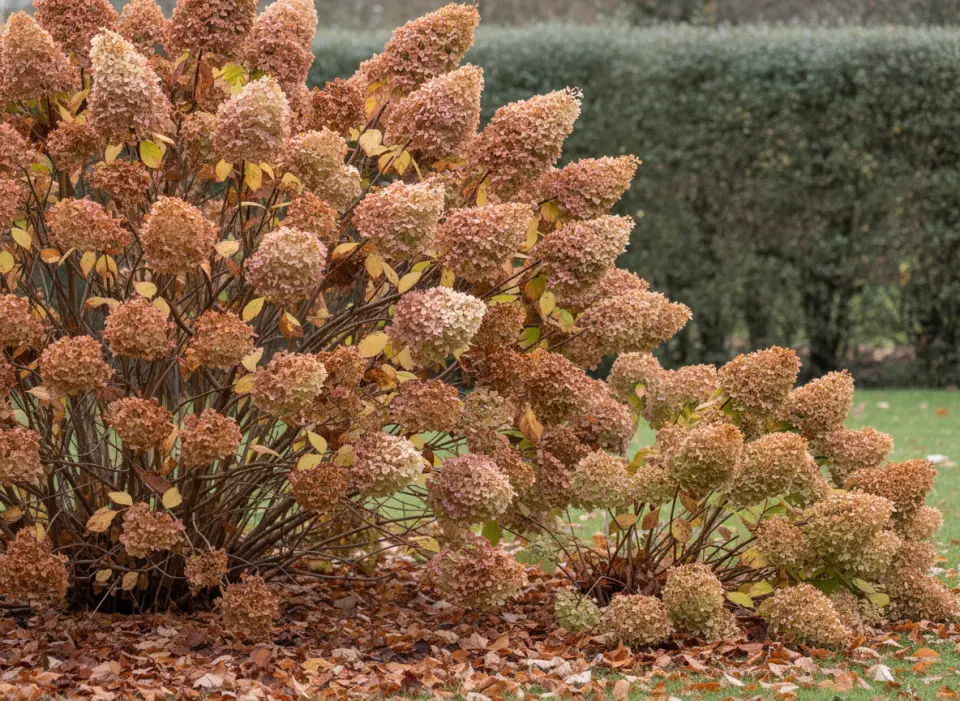
Every autumn the same question lands: should you cut back hydrangeas before winter, now the cones have gone papery and the border is being cleared? For panicle hydrangea and 'Annabelle', almost always no. Both flower on wood they will grow next spring, so waiting until late winter costs you not one bloom, and cutting now buys nothing but a tidier October. A fresh wound going into the wet and the cold invites dieback into the low framework you want to keep, and an early-autumn cut, while the shrub is still growing, pushes soft shoots that the first hard frost blackens. Gardeners asking whether to prune hydrangeas in fall get the same answer for panicle and smooth types from the RHS and Iowa State extension: late winter or early spring. The one thing your weather changes is wind. Where gales or wet snow will snap long stems, shorten the whippiest third and leave everything else standing. The real cut waits for February or March, back to a framework of about 25 cm on a paniculata and lower on 'Annabelle', and that is what gives you the big heads in July.
How to do it
- Leave the dried cones and globes standing all winter; they carry frost and low light beautifully.
- Cut out dead, snapped or crossing stems now — that is the only autumn cut they want.
- Shorten whippy, over-long stems by a third only where gales or wet snow will snap them.
- In February or March cut paniculata back to a 25–60 cm framework; take 'Annabelle' to 15–30 cm.
The mistake that costs a season: Cutting the whole shrub down to a stump in October. You gain nothing next summer, the open wounds die back into the low framework you meant to keep, and the border loses its best winter shape.
More on this plant →
Buddleja
Buddleja davidii
Light tidy onlyLight tidy onlyLeave until springLeave until springLeave until springLeave until springLeave until springLight tidy only late Oct – early Dec · Northwest Europe late Sep – early Nov · Central Europe late winter, Feb – Mar · the Nordics late winter, Feb – Mar · the Mediterranean late winter, Feb – Mar · the US North late winter, Feb – Mar · the Mid-Atlantic late winter, Feb – Mar · the US South late Sep – late Oct · the West Coast
Buddleja flowers on new wood, so the hard cut waits for early spring. Autumn's only job, on exposed sites, is lowering the sail: tall stems catch gales and rock the roots. Cut hard now and frost follows the wounds down.
Buddleja flowers on new wood, so the hard cut waits for early spring. Autumn's only job, on exposed sites, is lowering the sail: tall stems catch gales and rock the roots. Cut hard now and frost follows the wounds down.
Barely hardy this far north and usually cut to the ground by winter anyway. The old stems are the crown's insulation, so leave them standing, mulch the base and prune in April.
Frost is a December event or never, and the shrub often stays part-evergreen and still in flower. Nothing to gain from an autumn cut; hard-prune in February before growth starts.
In zones 3–5 the top growth is the winter coat. Cutting it off in fall is the quickest way to lose the plant; leave the stems, mulch deeply and prune once buds break.
US extension advice is to keep the shears off butterfly bush in fall and winter, because the cuts raise the risk of cold damage. If it rocks, firm the soil and stake it; prune in early spring.
It flowers here until frost and there is no gale window to hit. Clemson warns that fall and winter cuts raise the risk of cold damage, so prune in early March instead.
Buddleja davidii is a quarantined noxious weed in Oregon and Washington, and one flower head can hold 40,000 seeds. Deadheading through summer is the real fix; the autumn job is cutting and bagging the cones left. Approved sterile cultivars are exempt, and the stems still wait for spring.
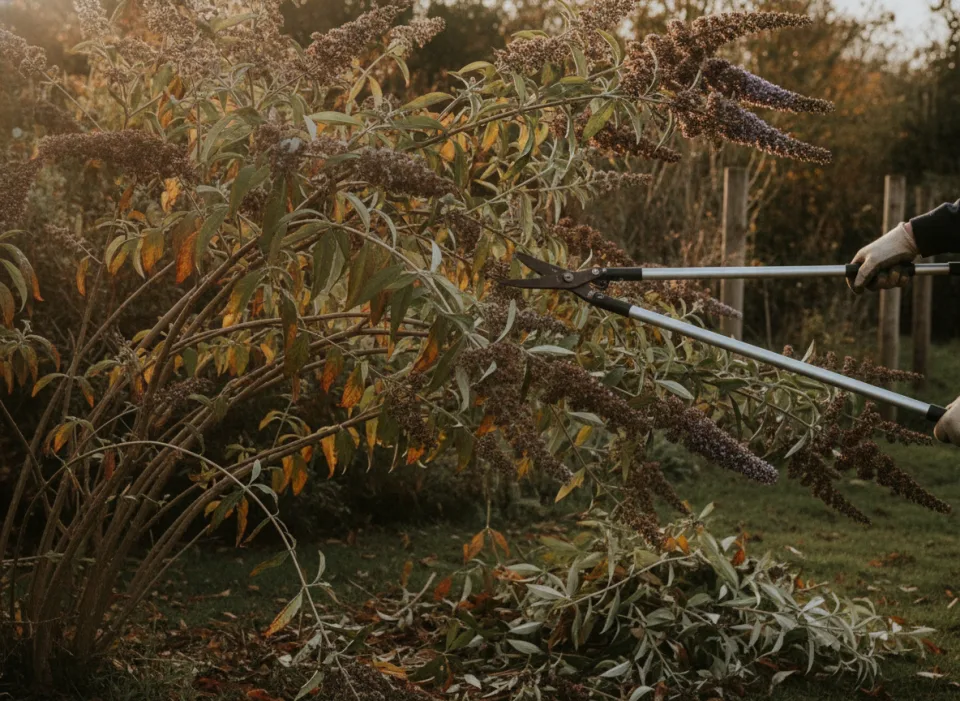
There is barely anything to do if you prune buddleja in autumn. Buddleja davidii flowers on wood it grows the same year, so the cut that shapes the plant belongs in early spring, back to a low framework 30 to 60 cm above the ground. Autumn's job is much smaller. A three-metre butterfly bush is a sail, and the first gales work the rootball loose in the soil, so on an exposed site shorten the tallest, whippiest stems by no more than a third and leave everything below them standing. In a sheltered garden you can skip even that. Your first frost is the signal, not a date, and it lands around early November in Northwest Europe and early October in Central Europe. Across North America the answer is simply no: extension services warn that cutting back butterfly bush in fall raises the risk of cold damage, and in USDA zones 3 to 5 the old top growth is what insulates the crown. If you do cut back buddleia before winter, stop at a third.
How to do it
- On an exposed site, shorten the tallest, whippiest stems by no more than a third.
- Leave the low framework and the bulk of the growth to shelter the crown.
- Firm the soil back around the base if the plant has already started rocking.
- Save the hard cut to a 30–60 cm framework for March or early April.
The mistake that costs a season: The classic autumn mistake is taking the whole bush down to knee height in October: the cut stems push soft growth that the first frost blackens, and the dieback runs back into the crown.
More on this plant →
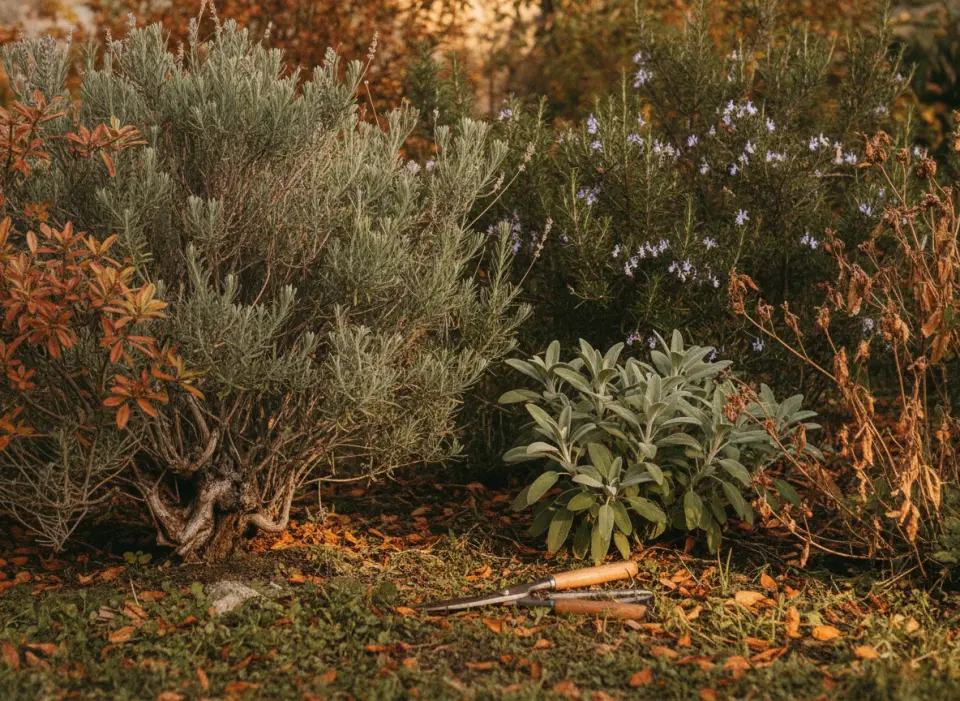
Lavender, rosemary & sage
Lavandula, Salvia rosmarinus, Salvia officinalis
Never in autumnNever in autumnNever in autumnLight tidy onlyNever in autumnNever in autumnLight tidy onlyLight tidy only not this season · Northwest Europe not this season · Central Europe not this season · the Nordics early Sep – early Oct · the Mediterranean not this season · the US North not this season · the Mid-Atlantic early Sep – early Oct · the US South early Sep – late Sep · the West Coast
Lavender, rosemary and sage carry no dormant buds in their bare wood, and an autumn cut pushes soft growth that frost blackens. Their one trim of the year came in late summer, right after flowering.
Lavender, rosemary and sage carry no dormant buds in their bare wood, and an autumn cut pushes soft growth that frost blackens. Their one trim of the year came in late summer, right after flowering.
This far north lavender is marginally hardy and rosemary usually isn't. A cut now can take the whole plant, and dormant grey stems only show what survived in spring.
Frost may never arrive here, so the autumn rains set the deadline instead. A light shear into early October still firms up; after that, leave it.
In zones 3–5 the autumn job is shelter, not shears. Move potted rosemary somewhere frost-free before the first hard freeze and leave lavender and sage standing until spring.
Frost lands from mid-October here, so the last safe trim was August. Local guides that allow an early-September cut leave you with soft shoots that are still green when the first freeze arrives.
Your first frost is not until late November, so a light shaping shear is still safe into early October. Stop there: winters are wet and fresh cuts rot rather than freeze.
Coastal California can take a light shear in September after the last flush. In the Pacific Northwest stop when the autumn rains start, or soft growth rots off.
If you are about to prune lavender in autumn, you have missed the window rather than found it. These Mediterranean sub-shrubs, English lavender, lavandin, rosemary and culinary sage, are cut the week their flowers fade, which the RHS puts in late summer, just after flowering has finished. Cut later and the plant answers with soft green shoots that the first frost blackens, plus open wounds sitting through the wet months. The deadline is really a question of hardening: the regrowth needs six to eight warm weeks before your first frost. In Northwest Europe, Central Europe, the Nordics and most of North America that warmth runs out in August, while a Mediterranean or Gulf Coast garden can still take a light shear into early October. Gardeners looking to cut back lavender before winter should cut nothing below the lowest leaves, because bare grey wood carries no dormant buds and will not reshoot. And if you are wondering about pruning rosemary or cutting back sage in fall, wait: a light trim in spring, once new growth shows, costs you nothing and risks nothing.
How to do it
- Put the shears away until spring; snap off dried flower stalks by hand if they annoy you.
- Missed the summer trim? Leave it until spring and cut once new growth shows.
- Never cut below the lowest leaves into bare grey wood; that stem has no buds left.
- Cold gardens: pot up rosemary and move it somewhere frost-free before the first hard freeze.
The mistake that costs a season: The classic mistake is a tidy autumn haircut down into the bare grey wood: it never reshoots, so you spend the winter looking at dead stems and the spring buying a replacement.
More on this plant →
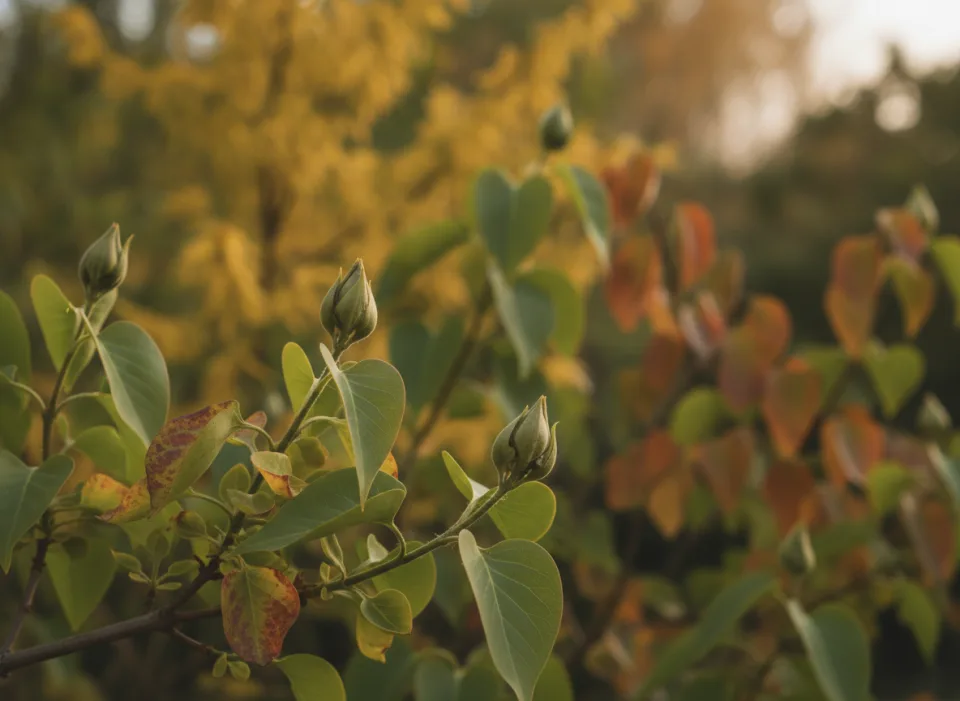
Lilac, forsythia, philadelphus & weigela
Syringa vulgaris, Forsythia, Philadelphus, Weigela
Never in autumn not this season · Northwest Europe not this season · Central Europe not this season · the Nordics not this season · the Mediterranean not this season · the US North not this season · the Mid-Atlantic not this season · the US South not this season · the West Coast
Next spring's flowers are already sitting on these stems as buds, set by August. Every cut you make now is a flower you don't get. The right window is the fortnight after flowering.
Next spring's flowers are already sitting on these stems as buds, set by August. Every cut you make now is a flower you don't get. The right window is the fortnight after flowering.
Frost is already here, so a cut now sits open through the deep cold. Lilac flowers in June this far north, so the flower-safe window is mid-June to early July; a hard reset belongs in March, dormant.
Low-chill lilacs and forsythia flower here from February, so their window is March to April; mock orange and weigela follow in late spring. Shrubs are still growing in October and an autumn cut pushes soft shoots.
In zones 3–5 you lose the buds and risk the wound. Extension advice puts drastic thinning in March or early April while dormant, and routine cuts right after the mid-May to early-June bloom.
Next spring's flowers are already sitting on these stems as buds, set by August. Every cut you make now is a flower you don't get. The right window is the fortnight after flowering.
Forsythia flowers in February and low-chill lilacs in March, so the after-flowering window is early spring rather than early summer. Autumn growth here is still soft when the first frost finds it.
Descanso-type lilacs in coastal California finish in March, Pacific Northwest gardens in late May. Both windows close long before autumn, and neither shrub wants a cut now.
Gardeners ask whether to prune lilac in autumn more than any other shrub, and the answer is no. Not lilac, not forsythia, not philadelphus, not weigela. All four flower on wood made last summer, and next spring's buds were set in those stems by August. Prune lilac in fall and you are cutting off flowers, not stems: the shrub leafs out beautifully and gives you nothing. The same goes for the urge to cut back forsythia before winter because it has flopped over the path. There is a second cost in cold gardens, because a September cut pushes soft new shoots that never harden before the first hard frost. Wind is the only signal that should move you here: if a branch is broken or rocking, take that one branch out and leave the rest standing. This is the one group whose autumn answer is identical in Helsinki and in Houston. Only the date of the correct cut moves, from March in mild gardens to early July in the far north. Mark the stems you resent with twine, then cut them within two weeks of the last flower fading.
How to do it
- Leave the shears in the shed until the shrub has flowered next spring.
- Take out dead, broken or wind-rocked wood only, back to the base or a live joint.
- Mark stems you want gone with twine and cut them within two weeks of flowering.
- Renovate a neglected lilac in late winter instead; weigela and philadelphus wait until after flowering.
The mistake that costs a season: The autumn tidy-up that makes the shrub look neat all winter is exactly what leaves it leafy and flowerless next spring.
More on this plant →
Leave until spring late winter, Feb – Mar · Northwest Europe late winter, Feb – Mar · Central Europe late winter, Feb – Mar · the Nordics late winter, Feb – Mar · the Mediterranean late winter, Feb – Mar · the US North late winter, Feb – Mar · the Mid-Atlantic late winter, Feb – Mar · the US South late winter, Feb – Mar · the West Coast
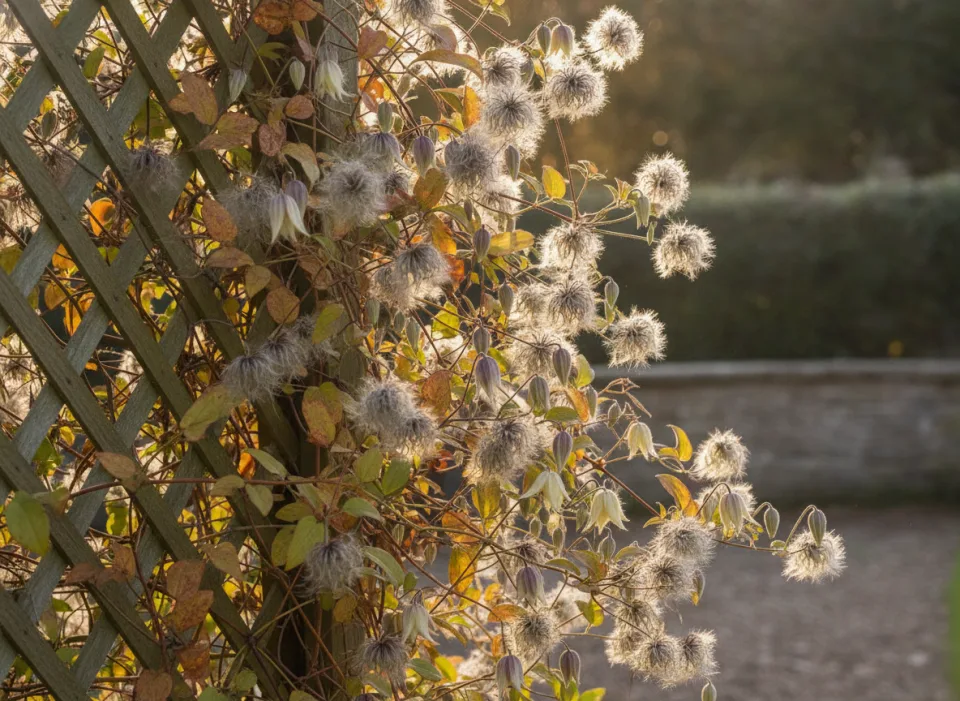
Late-flowering clematis rebuild from the base anyway, so an autumn cut gains nothing and risks soft regrowth. The spring and early-summer ones already hold next year's flowers. The top growth also shelters the crown through winter.
Late-flowering clematis rebuild from the base anyway, so an autumn cut gains nothing and risks soft regrowth. The spring and early-summer ones already hold next year's flowers. The top growth also shelters the crown through winter.
Nordic and Baltic winters: the old top growth traps snow and insulates the crown. Leave it, mulch once the ground freezes, and make the hard cut in April when live buds show.
C. cirrhosa opens its flowers from December and evergreen armandii is holding buds for early spring, so cut neither now; both are pruned after flowering. Late-flowering types wake early here, so their hard prune comes in January.
Zone 3–5: until buds break you cannot tell live wood from dead, and the standing stems shelter the crown. Mulch 10 cm over the crown after the ground freezes and cut in April. Spring-flowering vines can be untied and laid under that mulch instead.
Zone 6–7 gets the same answer as everywhere: stems stay up, and the late-flowering types take their hard cut in February. The one autumn job is invasive sweet autumn clematis (C. terniflora), whose seedheads are best off the plant before the wind spreads them.
Cut nothing now. Evergreen cirrhosa is opening its winter flowers and armandii is holding buds for early spring, so both are pruned after they flower. Hard-prune the late types in January, and take the seedheads off invasive sweet autumn clematis before they blow around.
Coastal gardens may never freeze, so the late-flowering ones can be hard-pruned from January. Evergreen armandii is setting spring flowers. Reduce a top-heavy tangle by a third to a half if the winter gales reach you.
There is almost never a reason to prune clematis in autumn. Flowering time tells you the group: a plant still covered in flower in late summer is a group 3, blooming on growth it made this year, and its hard cut belongs in February, down to the lowest strong buds 20 to 45 cm above the ground. Cut back clematis before winter instead and you gain nothing, because the plant was going to replace that wood anyway, while a mild spell can push soft shoots for the first frost to blacken. Cut back clematis in the fall for tidiness and it is the spring and early-summer types that pay: they carry next year's flowers on the stems they grew this summer. If a top-heavy tangle is rocking in autumn gales, take the whole plant down by a third to a half. Wind is the only autumn signal that justifies touching a woody clematis, and how long you wait after that depends on where you garden: cold borders keep the stems as crown insulation until April, while mild ones make the hard cut in January.
How to do it
- Leave the stems standing; the hard cut for late-flowering types waits until February.
- Shorten a tall, top-heavy tangle by a third to a half if autumn gales reach you.
- Cut wilted, blackened stems back to healthy tissue and bin what you remove.
- Cut herbaceous clematis (integrifolia, heracleifolia, recta) to the ground in late autumn or spring.
The mistake that costs a season: Hard-pruning in September because the plant looks ragged removes next spring's entire flush on a May-flowering clematis, and on a late one it pushes soft shoots for the first frost to blacken.
More on this plant →
Leave until springLeave until springLeave until springCut nowLeave until springLeave until springCut nowCut now late winter, Feb – Mar · Northwest Europe late winter, Feb – Mar · Central Europe late winter, Feb – Mar · the Nordics late Dec · the Mediterranean late winter, Feb – Mar · the US North late winter, Feb – Mar · the Mid-Atlantic late Dec · the US South late Dec · the West Coast
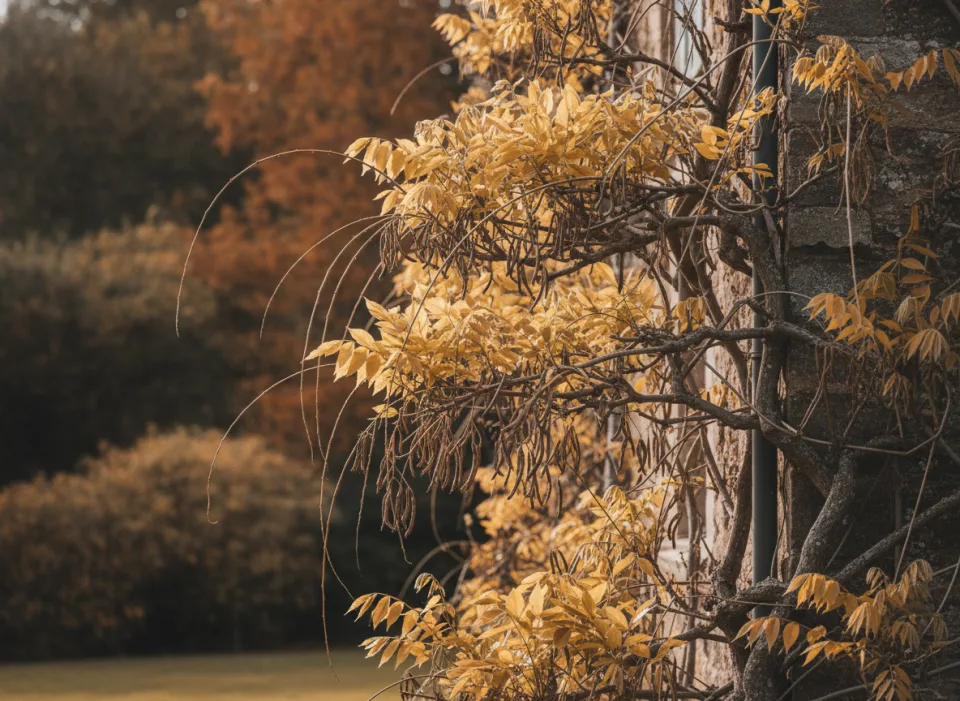
Next May's flowers are already set on the spurs. The summer cut to five or six leaves was July; the spur cut to two or three buds is January or February. Autumn falls between the two jobs.
Next May's flowers are already set on the spurs. The summer cut to five or six leaves was July; the spur cut to two or three buds is January or February. Autumn falls between the two jobs.
This far north only Kentucky and American wisteria flower reliably, and deep cold takes the buds off Asian kinds. Prune in March, when the winter-killed wood is obvious.
Leaves only come down in early December here. Once the vine is bare, from late December, take the spur cut back to two or three buds.
In zones 3–5 winter kills the flower buds, not the vine. Wait until March, then cut out the dead wood and spur-prune what survived.
Next May's flowers are already set on the spurs. The summer cut to five or six leaves was July; the spur cut to two or three buds is January or February. Autumn falls between the two jobs.
Spur-prune from late December, once the vine is bare and well ahead of bud break. Sever any runner that has crawled into a border too: Chinese wisteria spreads through the Southeast on rooting runners.
Wisteria here is bare and fully dormant by late December. Take the spur cut in any frost-free spell from then until February, before the vine moves.
If you came here to find out whether to prune wisteria in autumn, you have missed one window and are early for the next. Wisteria is cut twice: this year's whippy green growth goes back to five or six leaves in July, and those same stubs come back to two or three buds in the depths of winter. Cut in between and you take off the ripening wood that carries next spring's flower buds, so there is no good reason to cut back wisteria before winter. The one autumn signal worth acting on is wind, not first frost or leaf drop. Gales lever unsecured whips off a wall and drive stems under gutters and tiles, so tie them in and shorten only what has reached the roof. Where you garden decides when that winter cut lands: January or February in Britain and the Low Countries, late December onward in the Mediterranean, the US South and the coastal West, and March in zone 3–5 gardens, where the winter damage should show first. If you are set on pruning wisteria in fall, spend the hour on ties and runners instead.
How to do it
- Tie in the long whips you want to keep, before autumn gales tear them off the wall.
- Cut only stems that have reached a gutter, roof tile or downpipe.
- Sever any runner that has crawled along the ground and rooted into a border.
- Spur-prune in January or February: last summer's stubs back to two or three buds.
The mistake that costs a season: Cutting the whippy growth back hard in October takes off the ripening stubs that the winter spur cut turns into flowering knuckles, and next May's racemes go with them.
More on this plant →

Hardy fuchsia, penstemon, Russian sage & caryopteris
Fuchsia magellanica, Penstemon, Salvia yangii (Perovskia), Caryopteris x clandonensis
Leave until spring late winter, Feb – Mar · Northwest Europe late winter, Feb – Mar · Central Europe late winter, Feb – Mar · the Nordics late winter, Feb – Mar · the Mediterranean late winter, Feb – Mar · the US North late winter, Feb – Mar · the Mid-Atlantic late winter, Feb – Mar · the US South late winter, Feb – Mar · the West Coast
All four flower on new wood, and last year's stems are the crown's winter coat. Take them off now and cold plus wet reaches the living base — that is the dead stump you find in April.
All four flower on new wood, and last year's stems are the crown's winter coat. Take them off now and cold plus wet reaches the living base — that is the dead stump you find in April.
Russian sage is rated to zone 5 and caryopteris dies to the ground below zone 6, so treat all four as borderline here. Leave every stem, mulch the crown deeply once the ground freezes, and keep fuchsia and caryopteris in pots you can move into a frost-free shed.
Frost may never come, and these keep flowering into December. The stems still stay on, but the hard cut moves forward to January or February, before growth starts.
Prairie penstemons such as Penstemon digitalis are hardy to zone 3; Russian sage is rated to zone 5, and fuchsia and caryopteris are the marginal ones. Leave every stem, pile 15 cm of shredded leaves over the crown after the ground freezes, and pot up the two tender ones.
All four flower on new wood, and last year's stems are the crown's winter coat. Take them off now and cold plus wet reaches the living base — that is the dead stump you find in April.
Winters are too mild to threaten the crown, but all four still flower on new wood. Leave them standing now and make the hard cut in February, before bud break.
Hardy fuchsia is a permanent shrub here and western penstemons hold an evergreen basal rosette. Take off spent flower stalks only; a wet winter rots any crown you strip bare. Hard cut in late February or March.
Do not prune hardy fuchsia in autumn, and the same goes for penstemon, Russian sage and caryopteris. All four are woody-based sub-shrubs that flower on new wood, so the cut that makes next summer's flowers is a hard one in spring, not a tidy-up now. Their old stems are the crown's winter coat: they trap air, shed rain off the centre and take the dieback themselves. What kills these plants is cold plus wet at the base, not cold alone, so cut back Russian sage before winter and you hand a soaking January straight to the living crown. The signal is the first frost, and it lands anywhere from mid-September in Nordic and zone 4 gardens to December on the Mediterranean coast — whenever it blackens the top growth, leave every stem standing and mound 8–15 cm of dry mulch over the base instead. Cutting back penstemon in fall, or pruning caryopteris in fall for tidiness, is what leaves the gap in the April border. The one concession is wind: on the most exposed sites, tie the tallest stems together rather than cutting them.
How to do it
- Leave every stem standing, blackened or not — it is the crown's frost and rain shield.
- Mound 8–15 cm of dry mulch or leaf mould over the base after the first frost.
- On the windiest sites, tie the tallest stems together rather than cutting them.
- Cut hard to the lowest live buds in spring, once new shoots break low down.
The mistake that costs a season: The October tidy-up: shearing them flat looks neat for five months, and then the bare, sodden crown never reshoots and the plant is gone.
More on this plant →
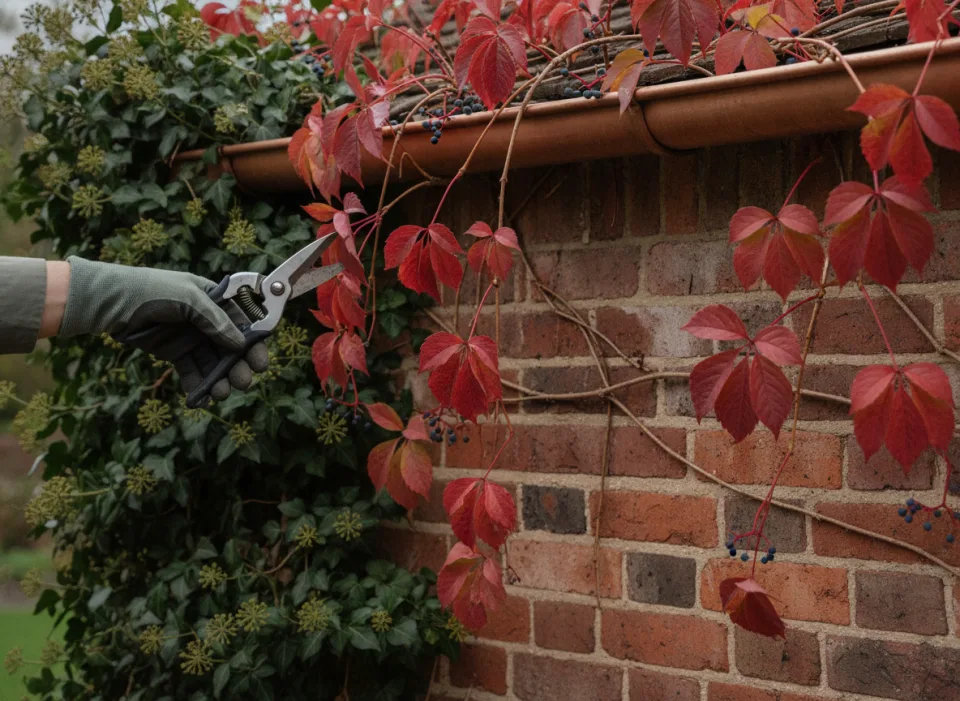
Virginia creeper & ivy
Parthenocissus quinquefolia & tricuspidata, Hedera helix
Cut nowCut nowLight tidy onlyCut nowLight tidy onlyCut nowCut nowCut now early Sep – late Oct · Northwest Europe early Sep – late Oct · Central Europe early Sep – early Oct · the Nordics early Oct – late Dec · the Mediterranean early Sep – early Oct · the US North early Sep – late Oct · the Mid-Atlantic early Oct – late Dec · the US South early Oct – late Dec · the West Coast
Both climb faster than you think and head straight for gutters, roof tiles and window frames. Cut them off the house while the framework is still readable and before autumn gales pack the gutter with growth.
Both climb faster than you think and head straight for gutters, roof tiles and window frames. Cut them off the house while the framework is still readable and before autumn gales pack the gutter with growth.
Leaves are down by early October and hard frost follows fast. Clear the gutters, tiles and door frames now, and leave any heavy reduction until spring, when the winter dieback is visible.
No frost stops growth and the leaves hang on into December, so the wall keeps thickening. Work from October and save the framework cut for late December, when the stems are finally bare.
Zone 3–5 winters kill the tips back, so cut only what threatens gutters, tiles and doors. Wisconsin Extension puts the real prune in spring, once the dead wood shows.
Both climb faster than you think and head straight for gutters, roof tiles and window frames. Cut them off the house while the framework is still readable and before autumn gales pack the gutter with growth.
Growth runs on well into December, so the window stays open late; start in October once the summer surge has stopped. This is also the season to take English ivy off tree trunks, where it is invasive and its weight and trapped damp harm the bark.
Autumn rain softens the ground, so English ivy pulls up cleanly instead of snapping. It is a listed noxious weed in Oregon and Washington: cut it off every tree trunk, then clear the gutters before the winter storms.
Most people who search for how to prune Virginia creeper and ivy in autumn are not really asking about the plant. They are asking about the gutter it has filled. An established Parthenocissus can put on three to six metres in a single summer, so by September the tips are behind the fascia board, under the lowest roof tiles and around the window frames. Cut back Virginia creeper before winter and you take that weight off the house before the autumn gales work it further in, and before leaf drop packs everything it has bridged with wet leaves. The signal is wind and leaf colour rather than first frost, and it moves with your region: in the Nordics and the northern US start in September, while Mediterranean and southern US gardens can leave the framework cut until December. Cutting ivy back in fall is the same job with one caveat - where evergreen ivy causes no trouble, leave the flowering and berrying growth standing, because it is the last nectar of the year and the birds' midwinter larder.
How to do it
- Cut a clear 20–30 cm gap below the gutter and around every window and door frame.
- Follow shoots heading under the roof tiles back well below the eaves and cut them out.
- Sever stems first, then wait a fortnight; dead pads and rootlets release without stripping paint.
- Leave ivy that is flowering or berrying where it causes no trouble; trim it in spring.
The mistake that costs a season: Ripping live growth off the wall instead of cutting it first: creeper pads and ivy rootlets take paint and soft render with them, turning a ten-minute prune into next spring's repainting job.
More on this plant →